
Compare Local Contractors for Residential Solar Installation Projects
Compare local contractors to define project scope, verify experience, and set clear expectations in writing for a successful residential solar installation.
Residential solar installation projects typically involve a range of services that include assessing the property's suitability for solar panels, designing a system tailored to the home's energy needs, and managing the physical installation process. These tasks often cover site evaluation, system planning, permitting support, equipment setup, and ensuring the solar array is properly integrated with the existing electrical system. Property owners should understand the scope of work involved to ensure that all necessary steps are included and that the project aligns with their expectations.
Clearly defining the scope of work is essential when working with local contractors for solar installation. A detailed scope helps establish what services are included, such as site assessment, system design, permitting, installation, and inspection support. It also clarifies what responsibilities fall on the property owner versus the contractor. Having these details in writing can prevent misunderstandings, ensure transparency, and provide a basis for evaluating the quality and comprehensiveness of the services offered.
When comparing local contractors, property owners should consider their experience with residential solar projects, especially in similar property types or locations. It’s helpful to review the scope of services each contractor provides and verify that it matches the property’s specific needs. Asking for references or examples of completed projects can provide insight into their capabilities. Additionally, reviewing written proposals or scope documents allows property owners to compare what each service provider includes, making it easier to choose a contractor that offers a comprehensive, clear, and well-defined approach to residential solar installation.
Compare local contractors by outlining project priorities, verifying experience, and setting clear expectations in writing.
- Compare Contractor Experience - Review the backgrounds and project history of local contractors to assess their expertise.
- Define Project Scope - Clearly outline the work to be done and expectations in written agreements.
- Verify Credentials and References - Check references and verify experience to ensure reliable service providers.
- Request Written Estimates - Obtain detailed, written descriptions of the work to set clear expectations.
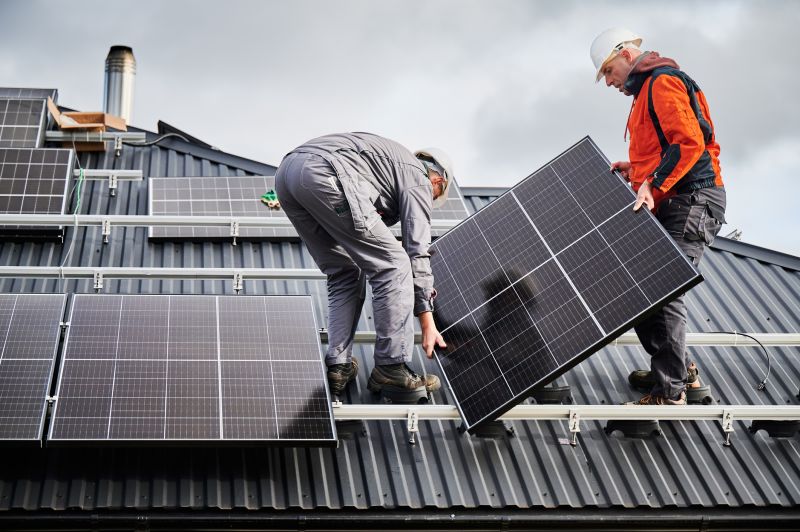
Before comparing contractors, clearly describe your project scope to ensure accurate assessments and set expectations in writing.
- Verify experience and references of local contractors specializing in residential solar installations. - Ensure service providers clearly define the scope of work and installation process in writing.
- Compare the credentials and background of different local contractors to assess their expertise in solar system setup. - Confirm that contractors adhere to industry standards and best practices for residential solar projects.
- Review detailed project proposals that specify equipment, installation methods, and responsibilities before proceeding. - Look for transparency in the scope of work and any included services or warranties.
- Check for clear communication from local service providers regarding project expectations and deliverables. - Ensure all aspects of the installation, including permits and inspections, are outlined in the agreement.
- Assess the experience of local contractors with similar residential solar projects to gauge their familiarity with property-specific requirements. - Request examples or case studies of past installations to evaluate quality and reliability.
Compare local contractors, verify their experience, and clearly define project scope to set expectations.

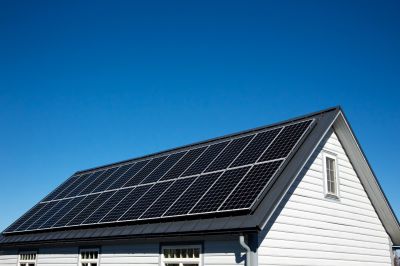
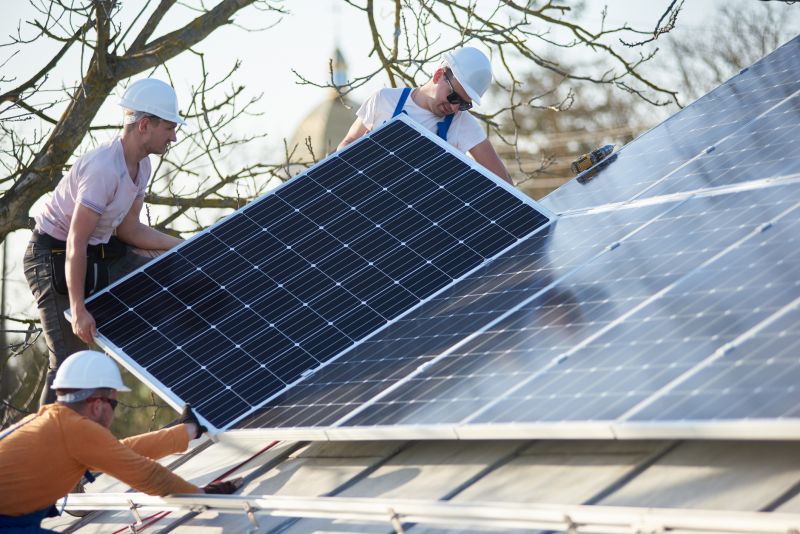
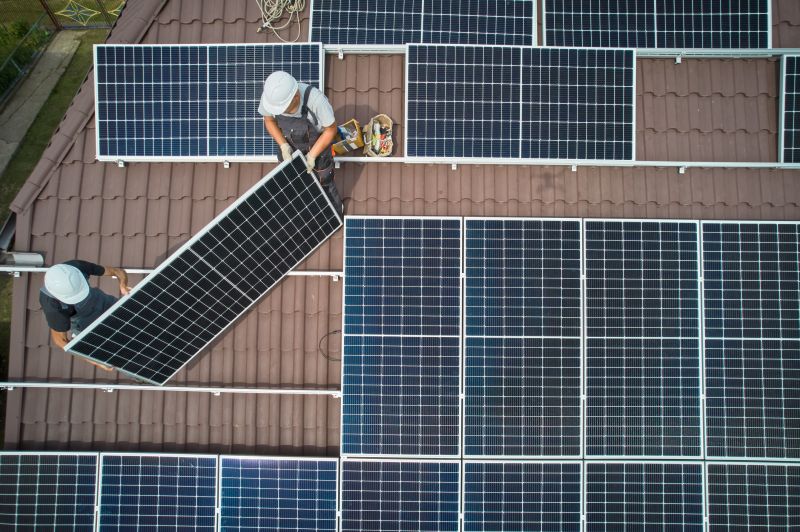
Use consistent comparison criteria across local contractors to clearly define scope, verify experience, and set expectations in writing.
- Project Scope Definition - Clearly outline the specific tasks and responsibilities involved in the residential solar installation.
- Site Assessment Requirements - Determine what site evaluation details are necessary for proper system design and installation planning.
- Experience and Expertise Verification - Identify the relevant experience and technical capabilities of local contractors handling similar projects.
- Material and Equipment Specifications - Specify the types of solar panels, mounting systems, and other components to be used in the installation.
- Documentation and Communication Expectations - Establish how scope details will be documented and how communication about project parameters will be maintained.
When evaluating contractors for residential solar installation, it’s important to consider their experience with similar projects. A contractor’s familiarity with homes of comparable size, roof types, and electrical systems can provide insight into their ability to handle the specific requirements of a particular installation. Asking about previous work that closely matches the scope of the project can help determine if a service provider has the relevant background and expertise needed to deliver quality results.
A clear, written scope of work is a key component of a successful solar installation. This document should outline the specific tasks, deliverables, and responsibilities of the contractor, providing clarity and setting expectations for the project. Having a detailed scope helps prevent misunderstandings and ensures that all parties are aligned on what will be completed, making it easier to compare different service providers based on the thoroughness and transparency of their proposals.
Verification basics are essential when comparing contractors. While official licensing and certifications are not always required, it’s useful to verify references or reviews from previous clients who can speak to the contractor’s reliability and workmanship. Additionally, confirming that the contractor has experience with the types of equipment and installation methods suitable for the site can help ensure that the chosen service provider is capable of delivering a safe and effective solar system.
Evaluating options without focusing on prices involves assessing the quality of proposals and the professionalism of each contractor. Consider how well each service provider explains their approach, the level of detail in their scope of work, and their responsiveness to questions. Comparing the clarity and completeness of written proposals can help identify which contractors are thorough and transparent, making it easier to select a partner that aligns with the project’s needs and expectations.
Ask contractors to provide written scope of work and expectations to ensure clear, consistent project understanding.
- Experience and Credentials - What specific experience do local contractors have with residential solar installations similar to the scope of the project?
- Scope of Work - How do local service providers define and outline the scope of the solar installation project to ensure all aspects are covered?
- Comparison of Services - What services and installation methods do different local contractors offer that can be compared for suitability?
- Project Expectations - How do local contractors clarify project expectations and deliverables in writing before beginning work?
- References and Past Work - Can local service providers provide references or examples of past residential solar projects to evaluate their experience?
What should be included in a scope of work for residential solar installation? A clear scope of work outlines the specific tasks, materials, and responsibilities involved in the project, helping ensure all parties have aligned expectations and reducing misunderstandings.
How can homeowners verify the experience of a solar installation contractor? Homeowners can review a contractor’s past projects, request references, and check for industry reputation or local recognition to assess their experience and reliability.
Why is it important to compare multiple contractors for solar installation? Comparing multiple service providers allows homeowners to evaluate different approaches, ensure competitive practices, and select a contractor that best matches their project needs and expectations.
What questions should be asked when evaluating residential solar contractors? It’s helpful to inquire about their previous experience, the scope of services offered, how they handle permits and inspections, and how they communicate project details and expectations.
How can homeowners ensure their project expectations are clearly documented? Homeowners should request written agreements that specify scope, responsibilities, deliverables, and any project milestones to avoid miscommunication and ensure clarity.
What factors are important when comparing local contractors for solar installation? Consider the contractor’s experience, reputation, scope of services, clarity of communication, and their ability to define and document project expectations effectively.
Understanding the key aspects of residential solar installation contractors can help ensure a smooth and well-informed process. Visitors learned how to compare local service providers by defining the scope of work, verifying their experience, and setting clear expectations in writing. This approach supports making confident choices tailored to individual needs and project requirements.
Using the quote form allows for easy comparison of options among nearby contractors, facilitating a better understanding of available services. Connecting with reputable local service providers through this process can help identify professionals equipped to handle the job efficiently and reliably, all while keeping the focus on making an informed decision.